

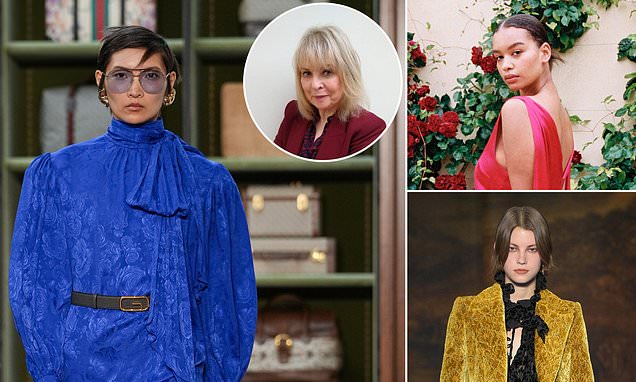
For a decade, online fashion platforms were the darlings of the luxury world. They promised instant access to runway collections, curated edits of designer goods, and the convenience of shopping from home. Investors poured in, fashion houses played along, and consumers bought into the dream. But in recent years, the glossy veneer has started to crack.
The downfall of these fashion giants isn’t a simple story of poor management—it’s part of a much larger shift in how people view luxury, shopping, and value itself.
1. A Cooling Luxury Market
Luxury sales are no longer surging as they once were. Rising inflation, global uncertainty, and shifting consumer priorities have tightened wallets. What used to feel aspirational now feels excessive for many buyers. Even wealthy shoppers have begun seeking “quiet luxury” over logo-heavy statement pieces, making it harder for online platforms—once built on hype and exclusivity—to keep up.
2. The Discount Trap
To move stock, online platforms leaned heavily on discounting. While this attracted deal-hunters, it damaged their luxury image. True luxury thrives on scarcity and desirability—flooding the market with markdowns only diluted the brands they carried, and customers noticed.
3. Overreliance on Growth Capital
These companies scaled fast, driven by venture funding and high expectations. But growth at all costs has a breaking point. High overheads, expensive marketing campaigns, and a crowded competitive landscape left them vulnerable when the market cooled.
4. The Return of the Boutique Experience
Luxury isn’t just about the product—it’s about the experience. Shoppers are gravitating back to physical stores where they can receive personal service, touch fabrics, and immerse themselves in the aura of a brand. A web page, no matter how sleek, can’t replicate the magic of a boutique fitting room.
5. Shifting Values
Younger generations of consumers care as much about sustainability, longevity, and individuality as they do about logos. Fast luxury no longer appeals the way it did in the 2010s. Many are turning toward secondhand platforms, vintage curators, or even smaller artisans—areas where big e-commerce titans can’t easily compete.
The Lesson
The fall of online fashion titans serves as a reminder that luxury isn’t just a product category—it’s a living culture, constantly evolving. Those who thrive in it understand not only how to sell but also how to inspire, connect, and adapt.
The future of luxury might not belong to the biggest platforms, but to those nimble enough to blend digital innovation with authenticity, exclusivity, and meaning.