

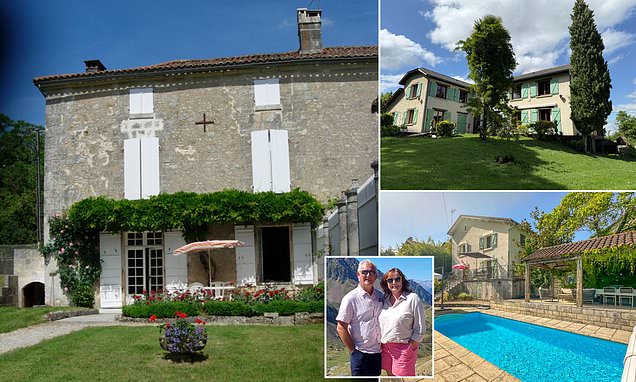
France has long been a dream destination for second-home buyers. From sunlit villages in Provence to seaside retreats on the Atlantic coast, the country offers a mix of culture, cuisine, and charm that few places can match. But before making the leap, it’s important to understand the financial and legal side of buying property in France.
The Costs of Buying
When you buy a holiday home in France, the purchase price is only part of the expense. Here are the main costs to budget for:
• Notaire’s fees – These are the legal fees for the French notary who oversees the sale. Expect around 7–8% of the purchase price for older properties, and around 2–3% for new builds.
• Estate agent fees – Sometimes included in the advertised price (look for “FAI” – frais d’agence inclus). If not, they can add 3–6%.
• Mortgage fees – If you’re financing through a French bank, there may be arrangement fees and insurance requirements.
• Renovation or furnishing costs – Especially if the property is older or sold unfurnished.
Taxes to Consider
Owning property in France means ongoing annual taxes:
• Taxe foncière – A property ownership tax paid yearly by the owner. The amount varies depending on the location and size of the property.
• Taxe d’habitation – Traditionally paid by the resident of the home, but it’s being phased out for primary residences. However, it may still apply to second homes, sometimes with surcharges in high-demand areas.
• Income tax on rental income – If you plan to rent your holiday home, the income must be declared in France. Depending on your situation, this may also need to be declared in your home country.
• Capital gains tax – If you sell the property and make a profit, France charges capital gains tax, with allowances that increase the longer you own the property.
Running Costs
Alongside taxes, expect ongoing expenses such as:
• Utilities (electricity, water, internet)
• Local service charges (for apartments, shared facilities, or gated communities)
• Insurance (home and liability insurance is required)
• Maintenance (gardening, pool care, or caretakers if you’re away for long stretches)
The Buying Process
1. Make an offer – Once accepted, both parties sign a preliminary contract (compromis de vente).
2. Cooling-off period – Buyers have a 10-day window to withdraw without penalty.
3. Notaire checks – The notary investigates the title, planning permissions, and any debts on the property.
4. Final signing – Usually within 2–3 months, the acte de vente is signed and you become the official owner.
Tips Before You Buy
• Visit in different seasons – A village buzzing in summer may feel very quiet in winter.
• Understand inheritance laws – French inheritance rules are strict. Many buyers set up ownership structures (like a Société Civile Immobilière) to make passing the home on easier.
• Check transport links – If it’s a holiday home, easy access from airports or train stations matters.
• Factor in exchange rates – If buying in euros with another currency, shifts in rates can affect your budget.
Final Thoughts
Buying a holiday home in France is both an emotional and financial investment. The process is well-regulated, which provides security for buyers, but the extra taxes and costs can surprise those who don’t plan ahead. With careful budgeting and the right advice, owning a slice of French life can be a rewarding experience for years to come.