

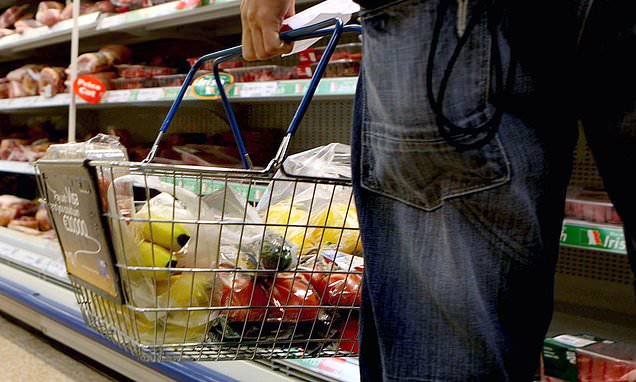
It comes as no surprise that almost every household in the UK is feeling the pinch at the checkout. With food inflation now at an 18-month high, 96% of families are reporting higher grocery bills. Essentials like bread, milk, fruit, and vegetables have all crept up in price, leaving many people searching for ways to stretch their budgets further.
This rise is not just numbers on a chart—it’s the lived reality of parents planning meals, pensioners carefully counting pennies, and young people trying to stay afloat amid rising rent and energy costs. For many, it means making tough choices, swapping branded goods for own-label alternatives, or cutting back on treats altogether.
While inflation is expected to ease eventually, right now the pressure is real. Communities are rallying with food banks and local initiatives, but the situation highlights the urgent need for long-term solutions to support households through turbulent times.
The latest figures show that 96% of UK households are now facing higher grocery bills, as food inflation has surged to an 18-month high. This rise reflects a complex mix of global and domestic pressures. Supply chain disruptions, higher energy costs, and poor harvests in some regions have pushed up the cost of production and transport. Meanwhile, the weakness of the pound against other currencies has made imported goods more expensive.
Staple items such as dairy, bread, and fresh produce have seen some of the sharpest increases. Retailers are passing these costs on to consumers, even while attempting to hold down prices on essentials. Analysts warn that with global commodity markets remaining volatile, food inflation is likely to stay elevated in the short term.
For households, this means tighter budgets and more cautious spending. For policymakers, it raises difficult questions about how to balance support for families with efforts to bring overall inflation back under control. The Bank of England will continue watching food prices closely, as they play a key role in shaping consumer confidence and inflation expectations.