

Crude Oil Exportation: The Lifeblood of Global Trade
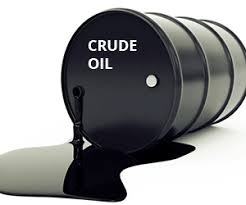
Crude oil exportation remains one of the most powerful forces driving the global economy. From the deserts of the Middle East to the swamps of the Niger Delta, this black gold shapes nations, defines politics, and fuels industries. It’s not just an export — it’s a statement of economic power and national identity.
What is Crude Oil Exportation?
Crude oil exportation refers to the process of selling and transporting unrefined petroleum from producing countries to international markets. The oil is extracted, stored, and shipped to refineries abroad, where it is processed into usable products like gasoline, diesel, jet fuel, and lubricants.
Major Exporting Countries
The leading exporters of crude oil include Saudi Arabia, Russia, the United States, Iraq, the United Arab Emirates, and Nigeria. These nations rely heavily on oil revenues to sustain their budgets, fund infrastructure, and support social programs. In Africa, Nigeria and Angola stand tall as key players, supplying millions of barrels daily to Europe and Asia.
Economic Importance
Crude oil exportation is a major source of foreign exchange and government revenue. It attracts foreign investment, creates jobs, and supports other sectors such as shipping, engineering, and finance. For developing nations, oil income can be both a blessing and a burden — capable of driving rapid growth or deepening economic dependency if not managed wisely.
Challenges in Crude Oil Exportation
Despite its profitability, the crude oil export sector faces numerous challenges:
- Price volatility: Oil prices fluctuate due to global market demand, politics, and OPEC policies.
- Theft and pipeline vandalism: Especially in regions like the Niger Delta, illegal bunkering and sabotage reduce export volumes.
- Environmental pollution: Oil spills and gas flaring cause long-term ecological damage.
- Transition to renewable energy: As the world shifts toward clean energy, demand for crude oil may gradually decline.
The Future of Crude Oil Exportation
While renewable energy is on the rise, crude oil remains vital for transportation, manufacturing, and energy production. The future of exportation will likely depend on how countries diversify their economies and adopt cleaner extraction and refining technologies.
In the coming decades, nations that balance oil wealth with sustainable development and innovation will dominate global energy markets — not just by what they export, but by how responsibly they do it.