

What’s Happening?
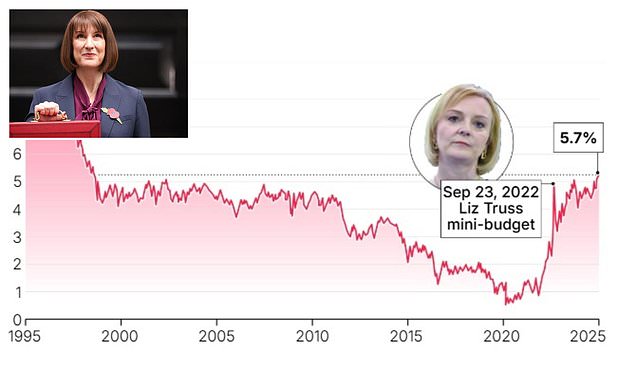
• On September 2, 2025, UK 30-year gilt yields surged above 5.7%, marking their highest point since 1998.
• This move reflects a broader global bond market sell-off, with investors demanding more return amid inflation fears, large deficits, and political uncertainty.
• The Bank of England, however, warned not to fixate on the 30-year rate, noting structural demand shifts.
What This Means for Investors
Opportunities
• Annuity buyers stand to benefit: higher gilt yields directly boost annuity payouts, offering greater guaranteed income. Recent data shows annuity rates have climbed roughly 3 percentage points since 2020—about a 63% increase.
Potential Risks
• Bond and gilt fund holders may face short-term losses: as yields rise, bond prices fall.
• Gilt funds, however, may offer appeal to longer-term investors betting on eventual rate stabilization or declines.
How Homeowners and Mortgage Seekers Are Affected
• Mortgage rates — especially longer-term deals — are closely linked to gilt yields via swap rates. As yields rise, so too can mortgage costs.
• Some banks have already raised rates, making it more expensive to borrow or remortgage.
Consumer advice includes:
• Considering locking in today’s rates before they rise further.
• Reviewing all personal finances and avoiding panic decisions.
• Exploring diversified saving and investment options that better fit the changing interest environment.
Impact on Savers and Pensioners
• Savers: If you’re holding cash or short-dated instruments, the rise in gilt yields may eventually lead to better rates on savings accounts and fixed-interest products.
• Pensioners: Higher annuity rates are a notable upside—the annual payout on a £100,000 investment, for example, could now be around £7,670, compared to £4,710 in 2020.
• But keep in mind, if your pension is in fixed-income funds, the underlying assets may have declined in value as yields rose.
Broader Themes & Context
• The surge signals mounting investor concern about the UK’s fiscal trajectory ahead of the autumn budget on 26 November.
• Elevated borrowing costs complicate public finances, narrowing the government’s budget margin and potentially leading to tough fiscal choices—higher taxes or cuts.
• This pattern isn’t unique to the UK; many developed economies face similar pressures.
• The British pound also weakened, dipping toward $1.34, which compounds inflation pressures via costlier imports.